
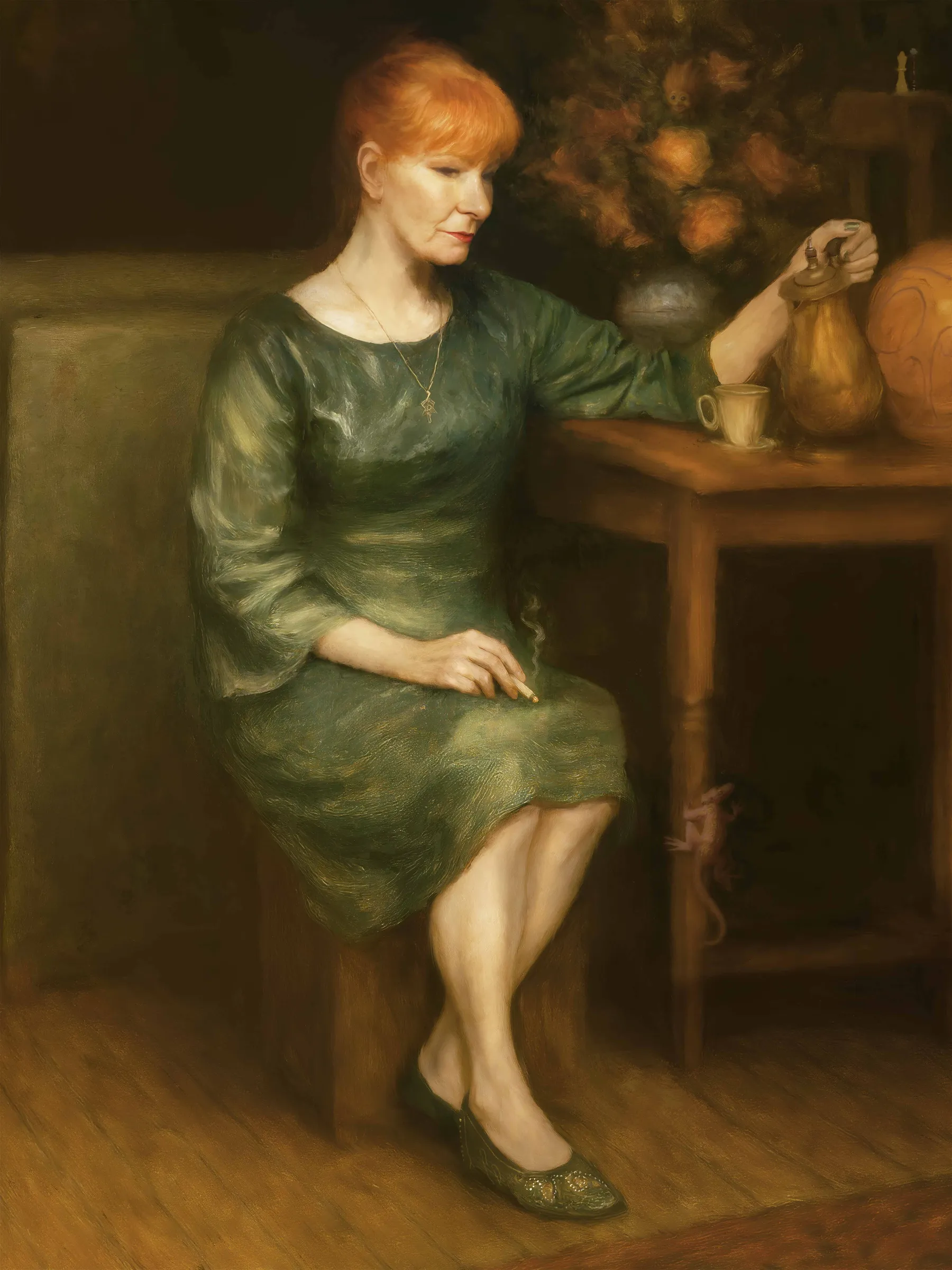
Painting and letter by Siris Hill
Explore the details
No labels.No categories.Just people, moving through life together.Human. Beautiful. Ordinary.
Ordinary
Ordinary isa portrait series built around the stories of people frequently viewed through their diagnoses or social marginalisation. As someone who belongs to multiple marginalised groups, I know how quickly labels can define a person before they are heard. Ordinary exists to disrupt that structure.
My work focuses on everyday life rather than crisis or recovery and is concerned with autonomy, representation and the right to exist outside narratives of struggle. I travel across the UK, relying on chance encounters and immersing myself in communities. I create works born from these experiences; artworks and written reflections that become vignettes and traces of the time we spend together.
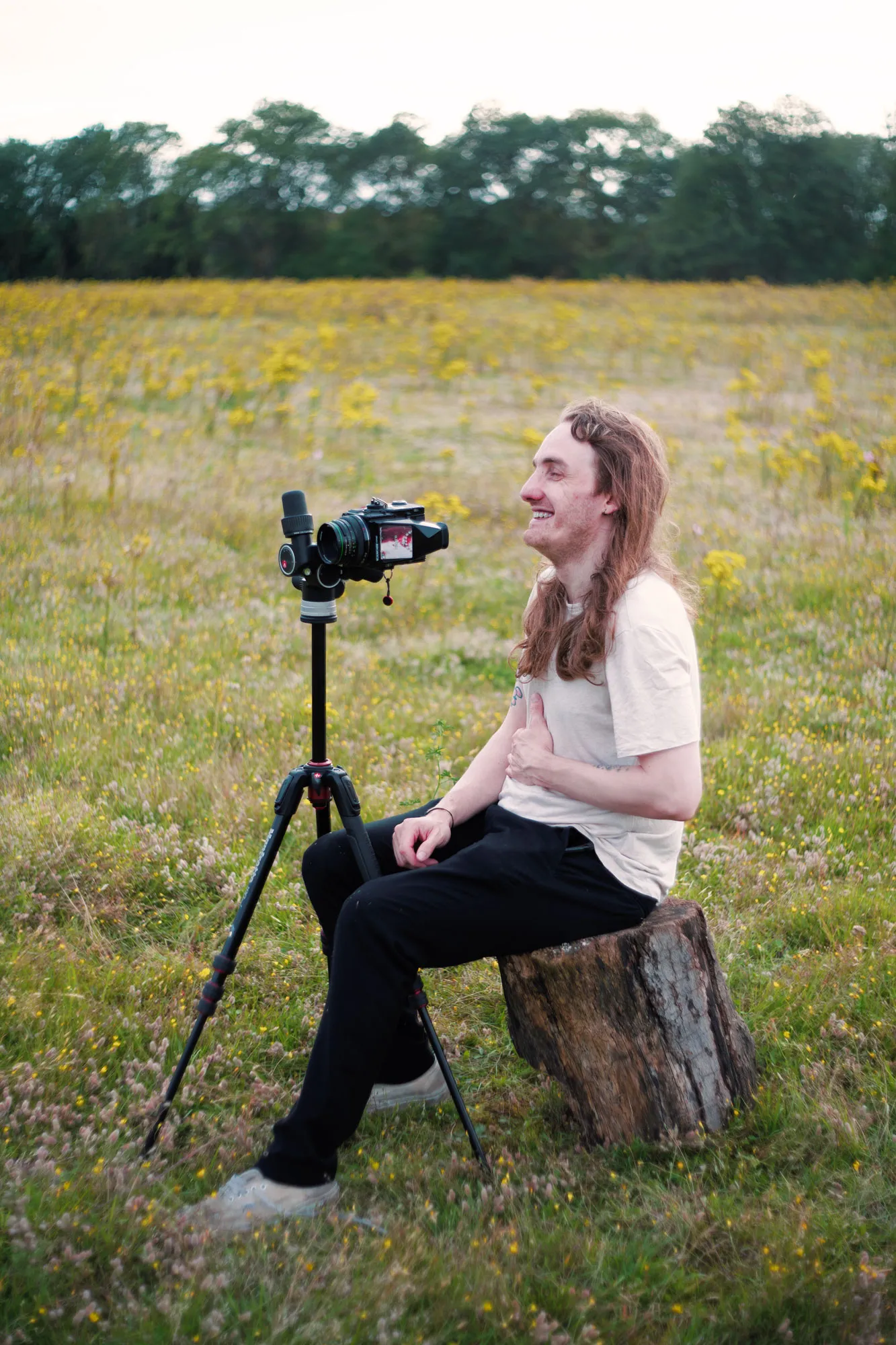
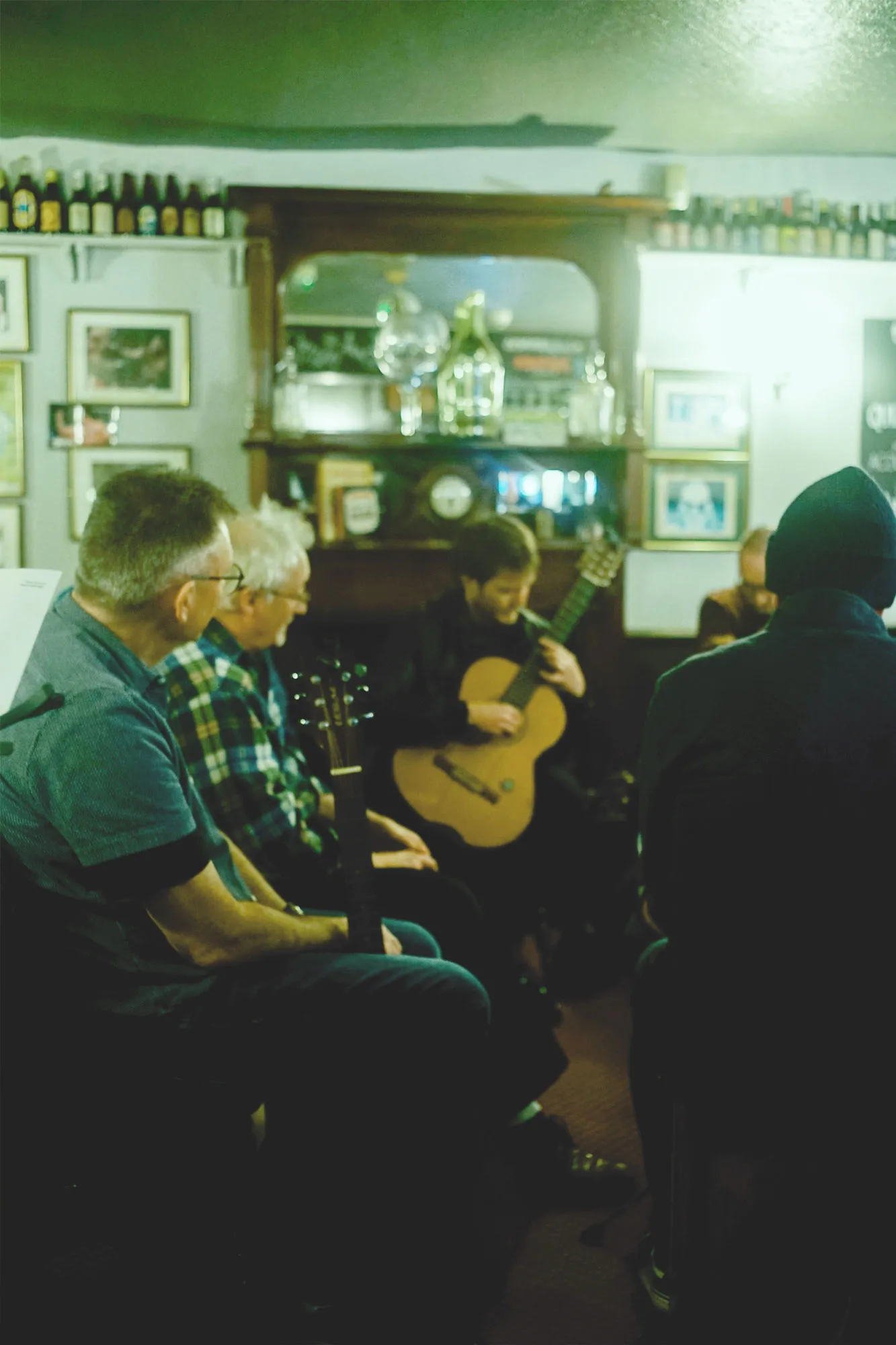
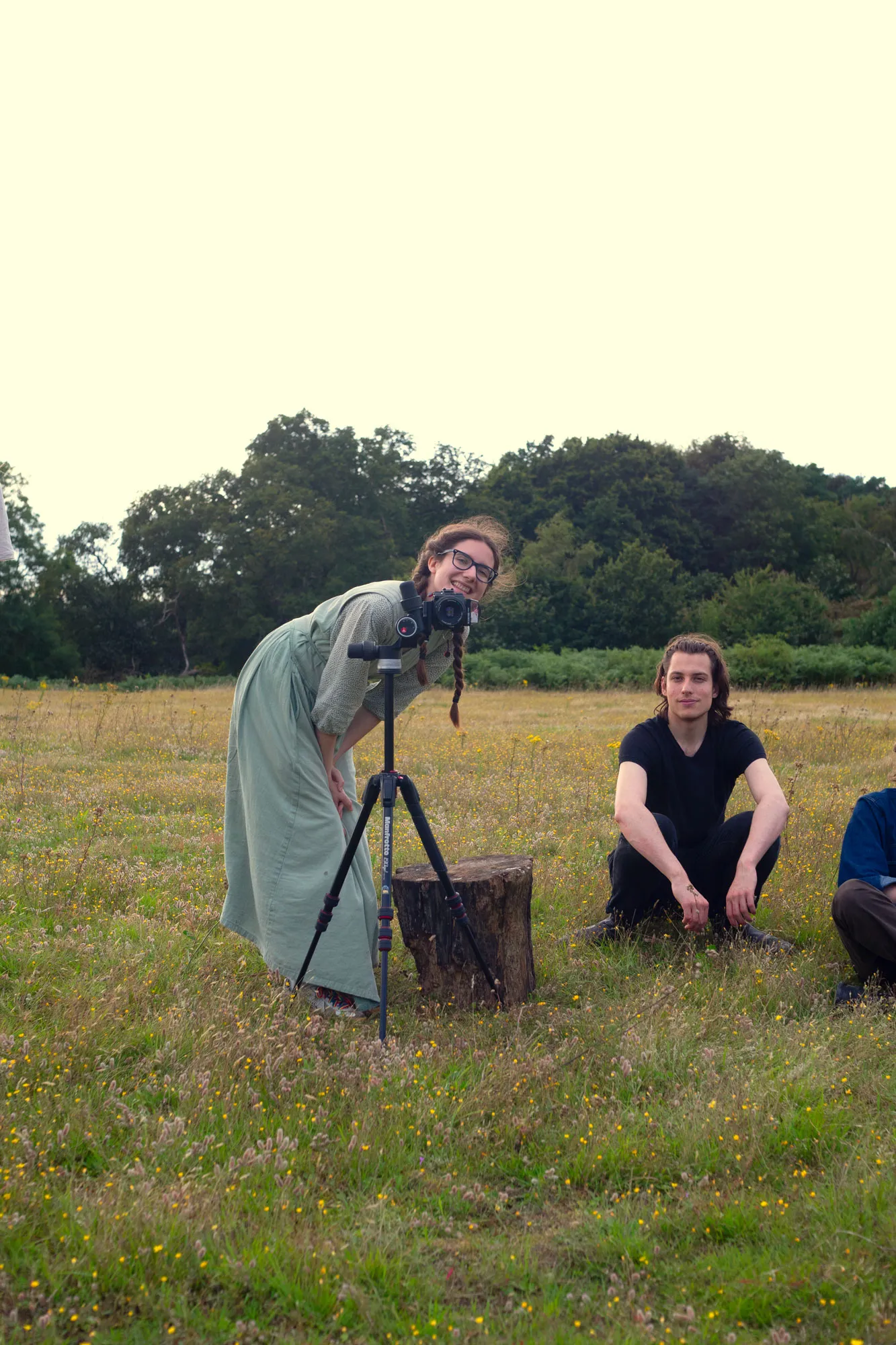
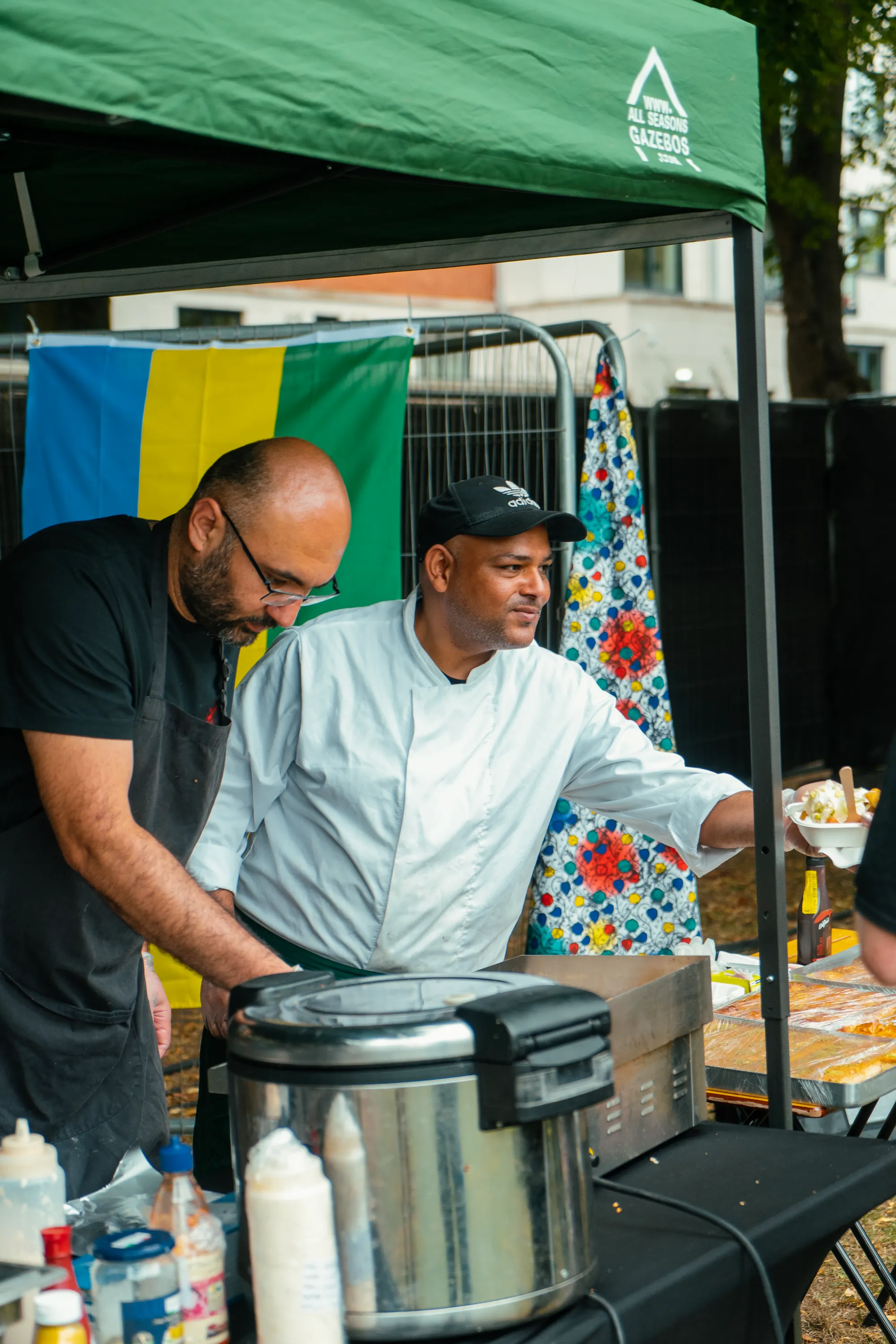
Behind the scenes
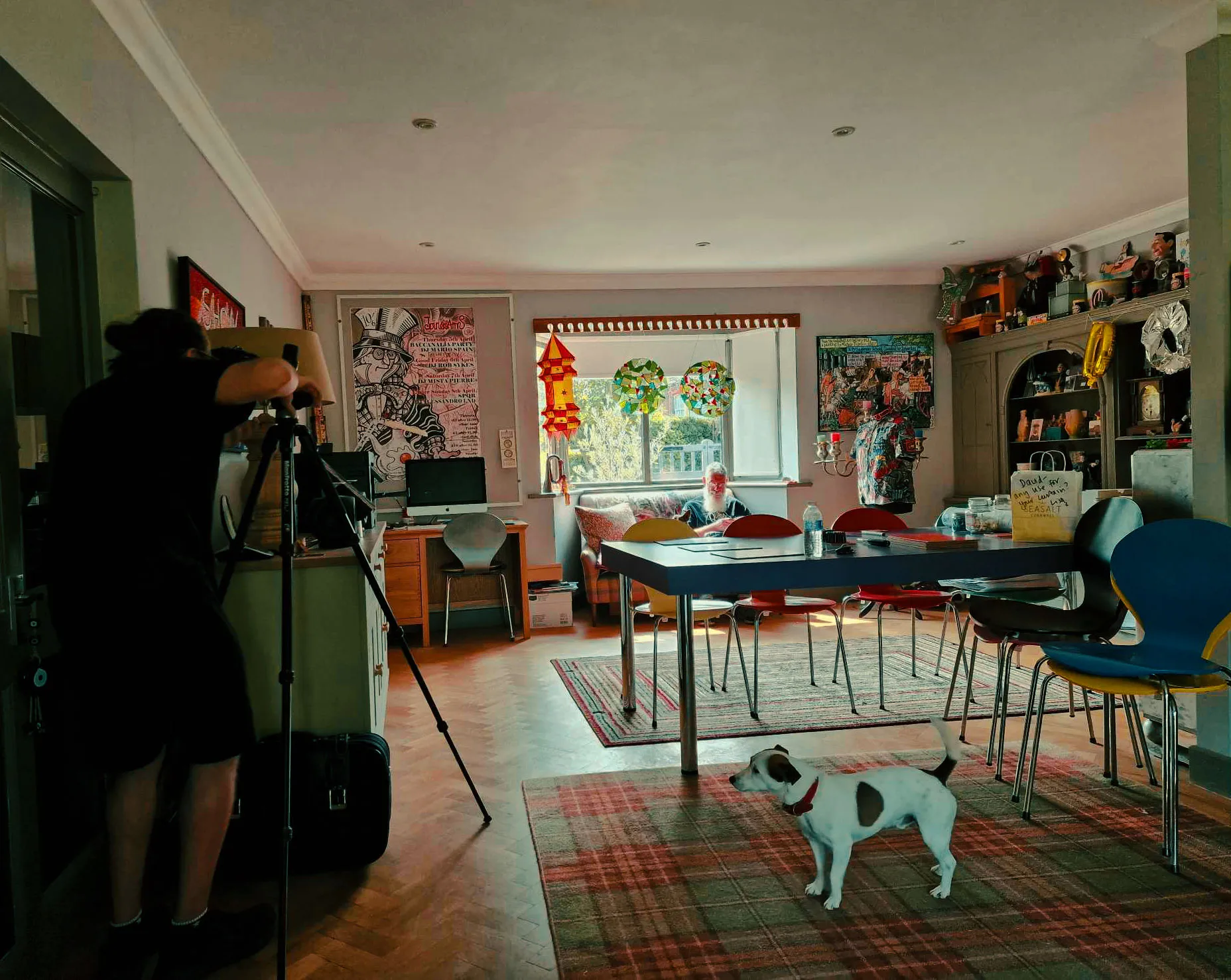
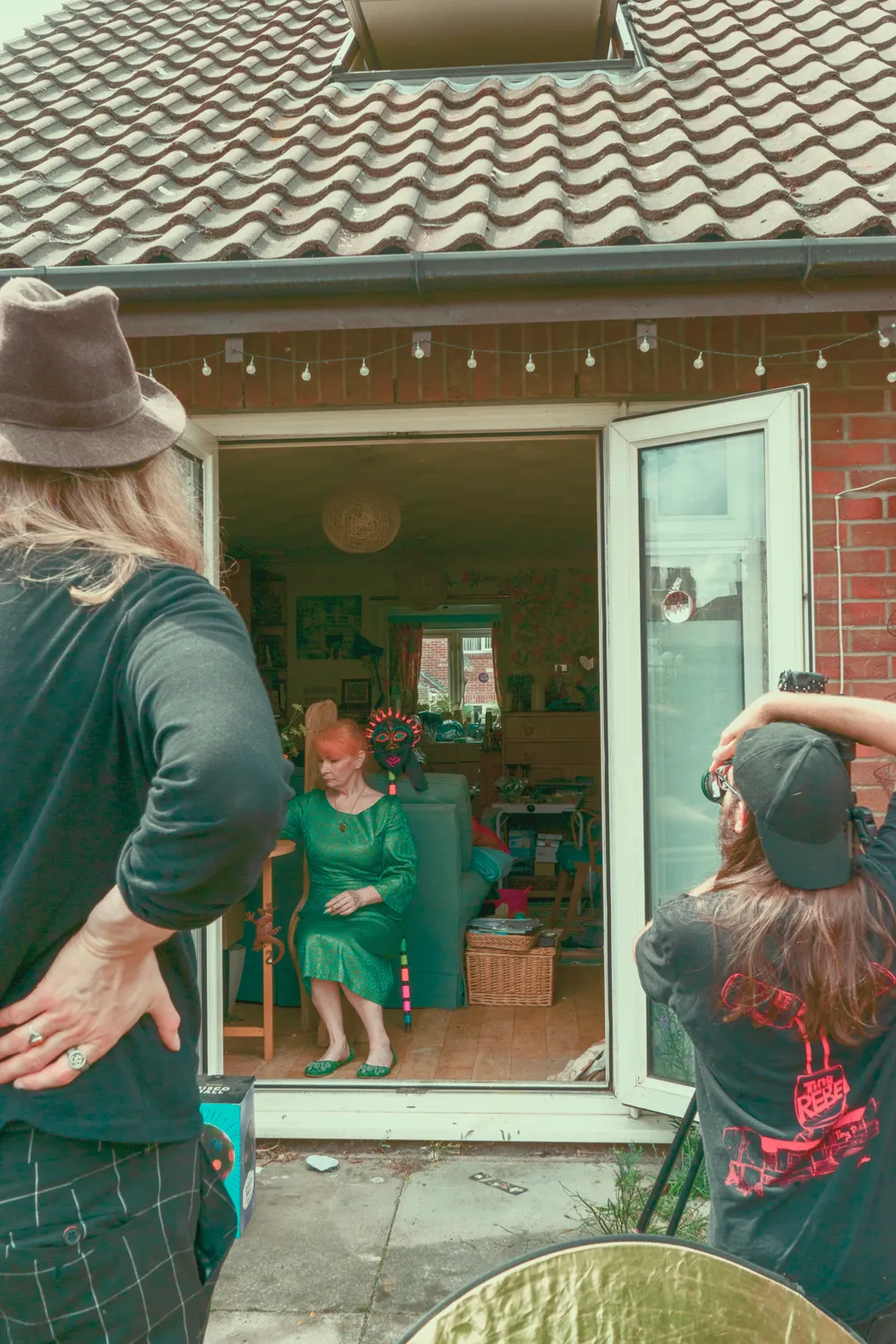
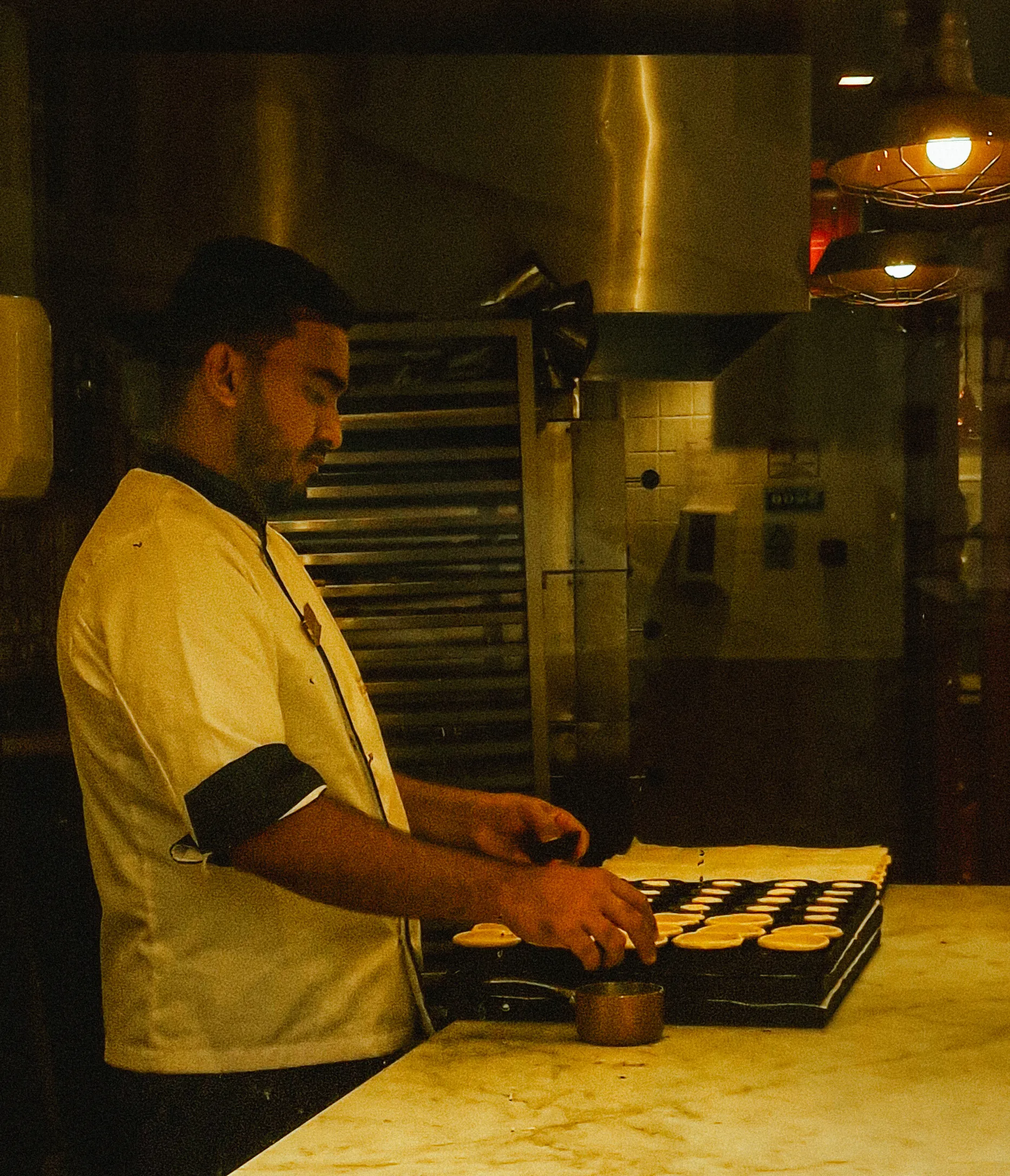
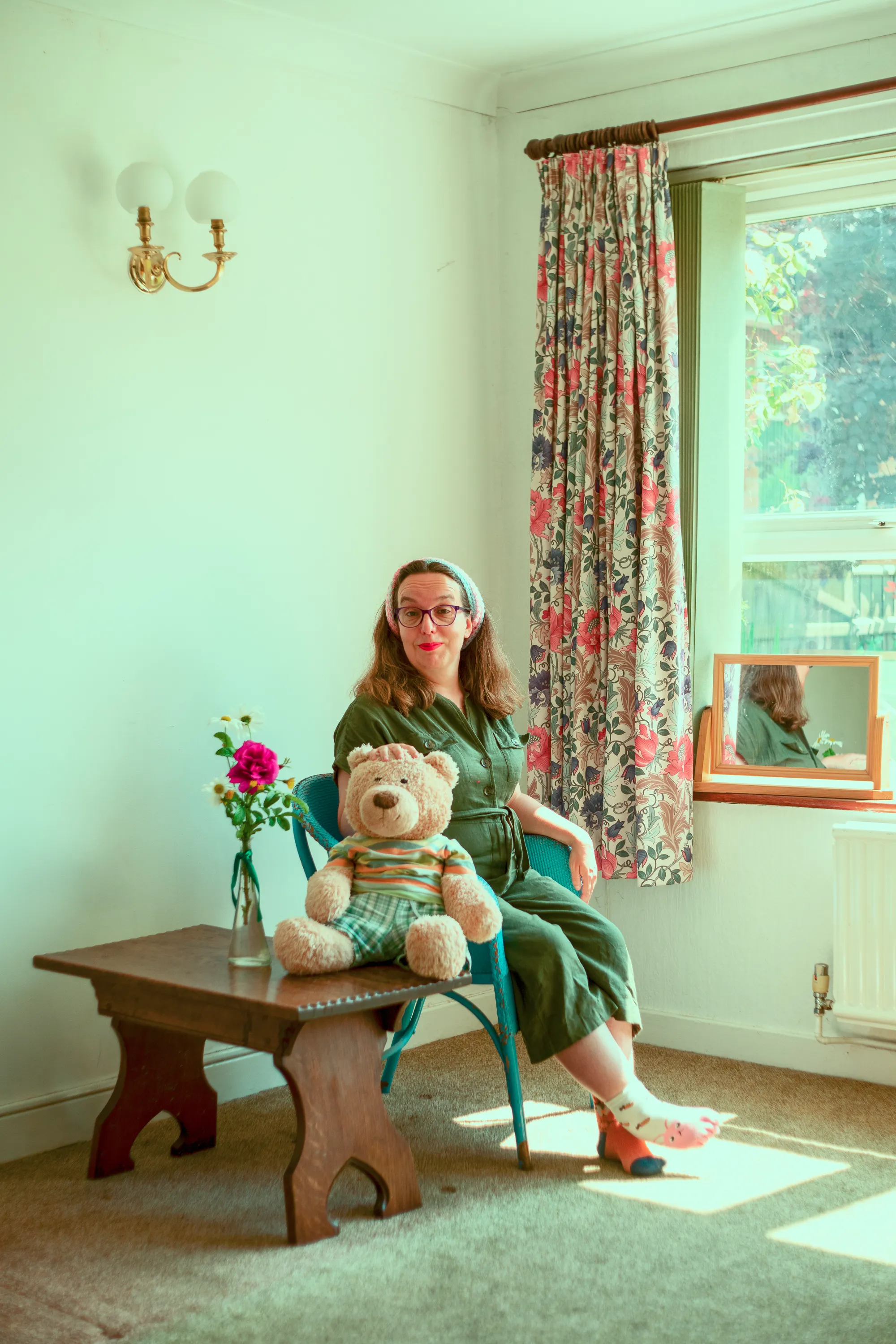
I go from town to town. I sit with people for hours, days, sometimes weeks.
I drink their coffee. I hear their stories. I feel the weight of their days settle into my own skin.
The film
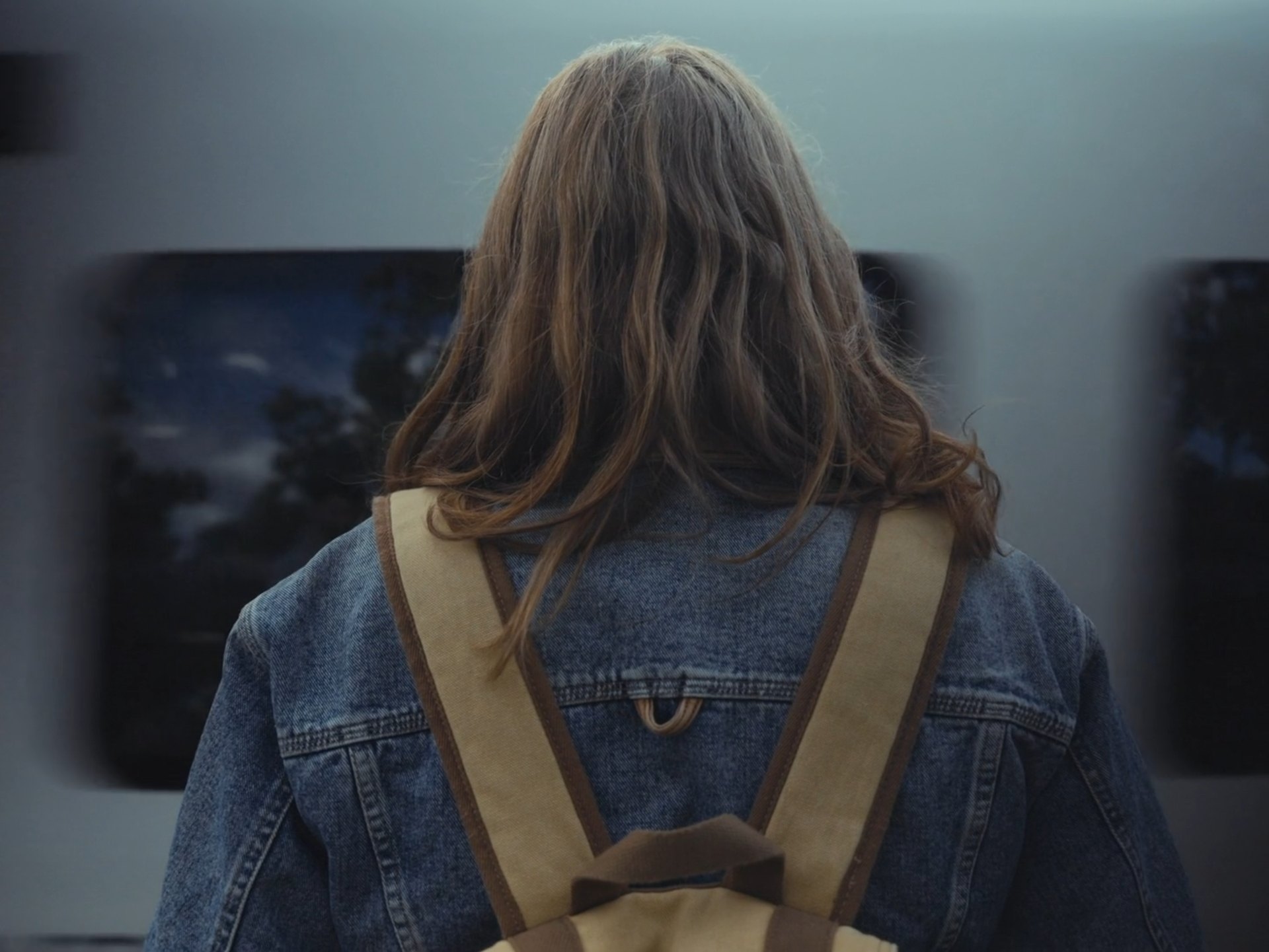
A Portrait of Siris Hill
First screened at the National Gallery, London, July 2026 · 97films, dir. Callum Crossland
History
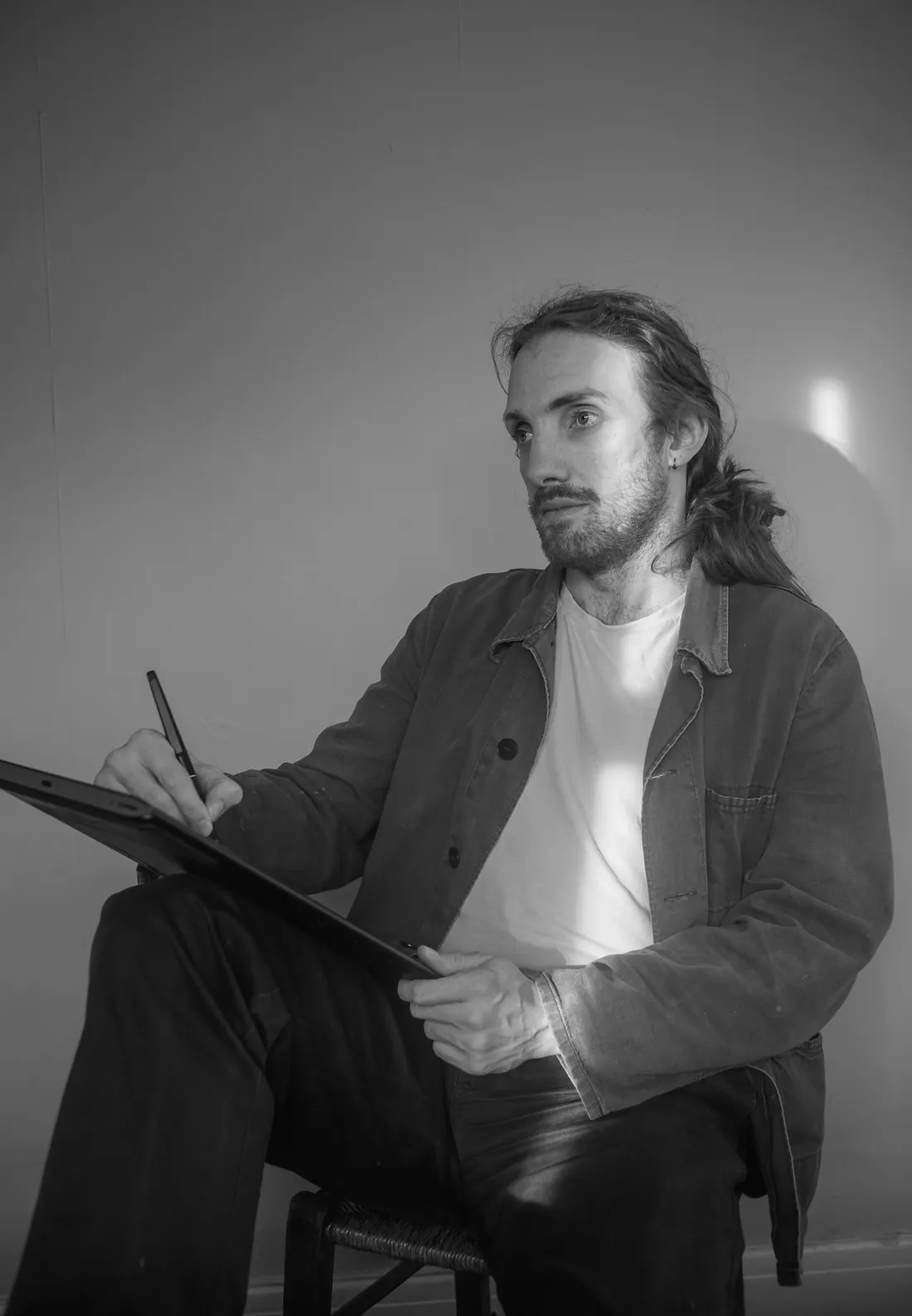
My practice comes from lived experience.
I grew up with chronic illness and spent much of my childhood and adolescence in medical systems that regularly removed my agency. As a teenager, I developed symptoms later diagnosed as CPTSD. My health created distance between my family, and by nineteen, I was estranged from them and became homeless.
The transition of rehousing left me agoraphobic and unable to go outside. Ordinary created an opportunity for me to heal after spending years mostly at home.
It started in my hometown. It was my friends who helped me by encouraging me to engage in their communities, which pushed me to leave my home. I painted and wrote about these experiences. These ordinary people, who in my life were exceptional. Later I started travelling the country, approaching strangers and giving them the same attention I would give to a friend.
Ordinary was born from that.
I tell the world my work is about mental health and the marginalised, and then I show them people.
No labels. No categories. Just people, moving through life together.
Human.Beautiful.Ordinary.