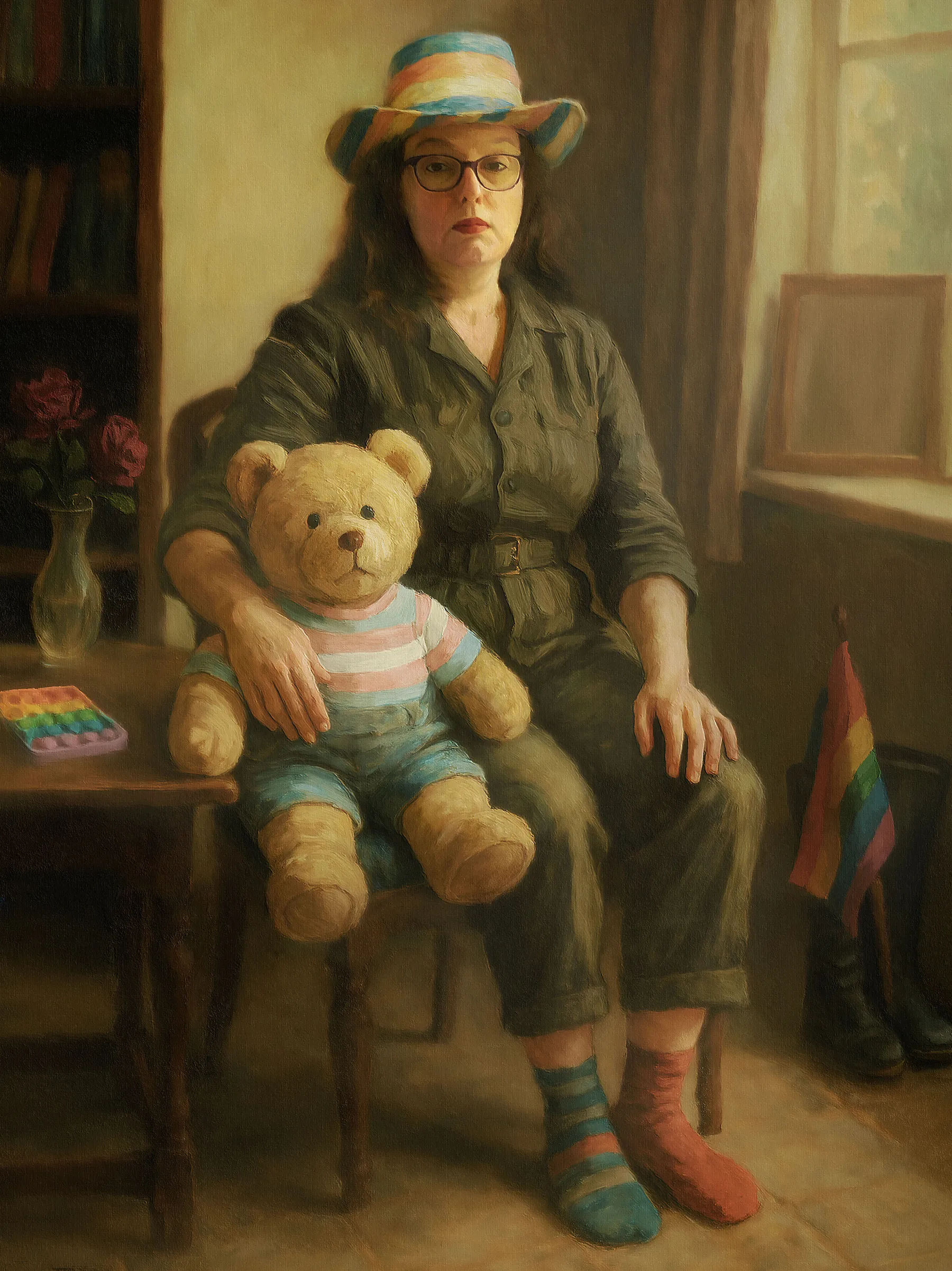
Ordinary
Pete Turrell
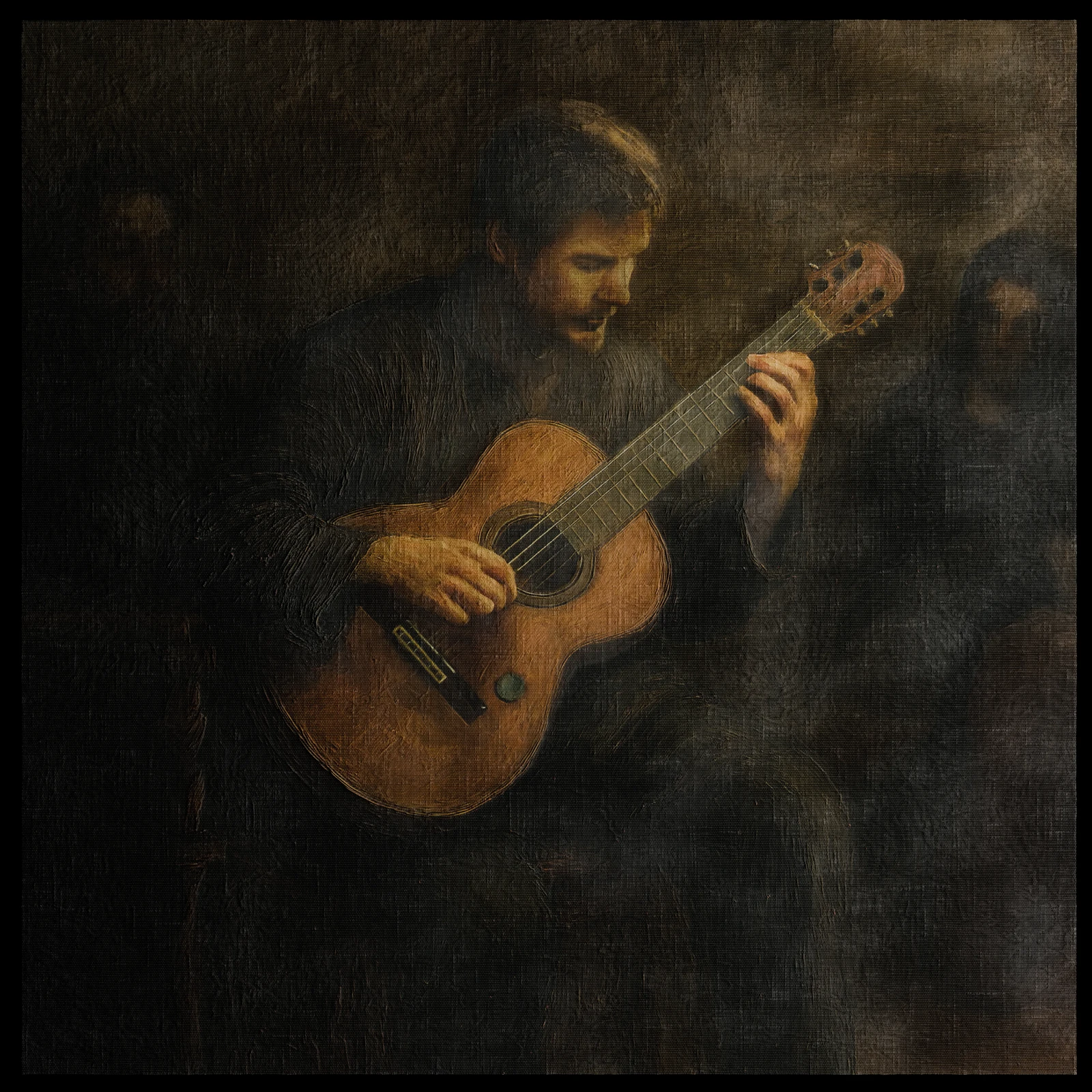
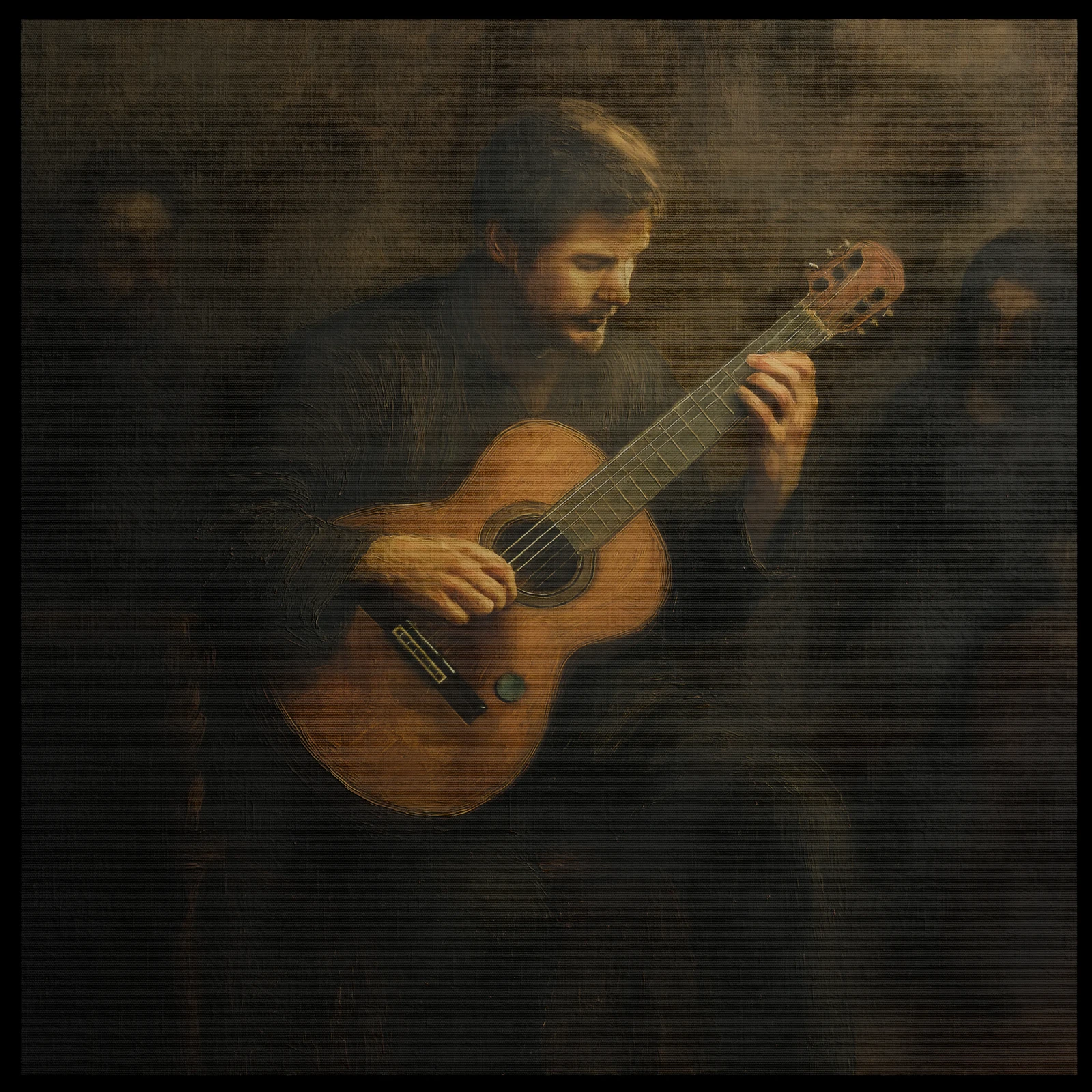
In raking light we can see how thin the paint was applied. Creating impasto areas as focal points for the eye to land
"I wanted my work to be encountered in the same way I enjoy art. Letting the work speak first and inviting a connection."
ESP
Elevated Surface Process
What is 'Elevated
Surface Process'?
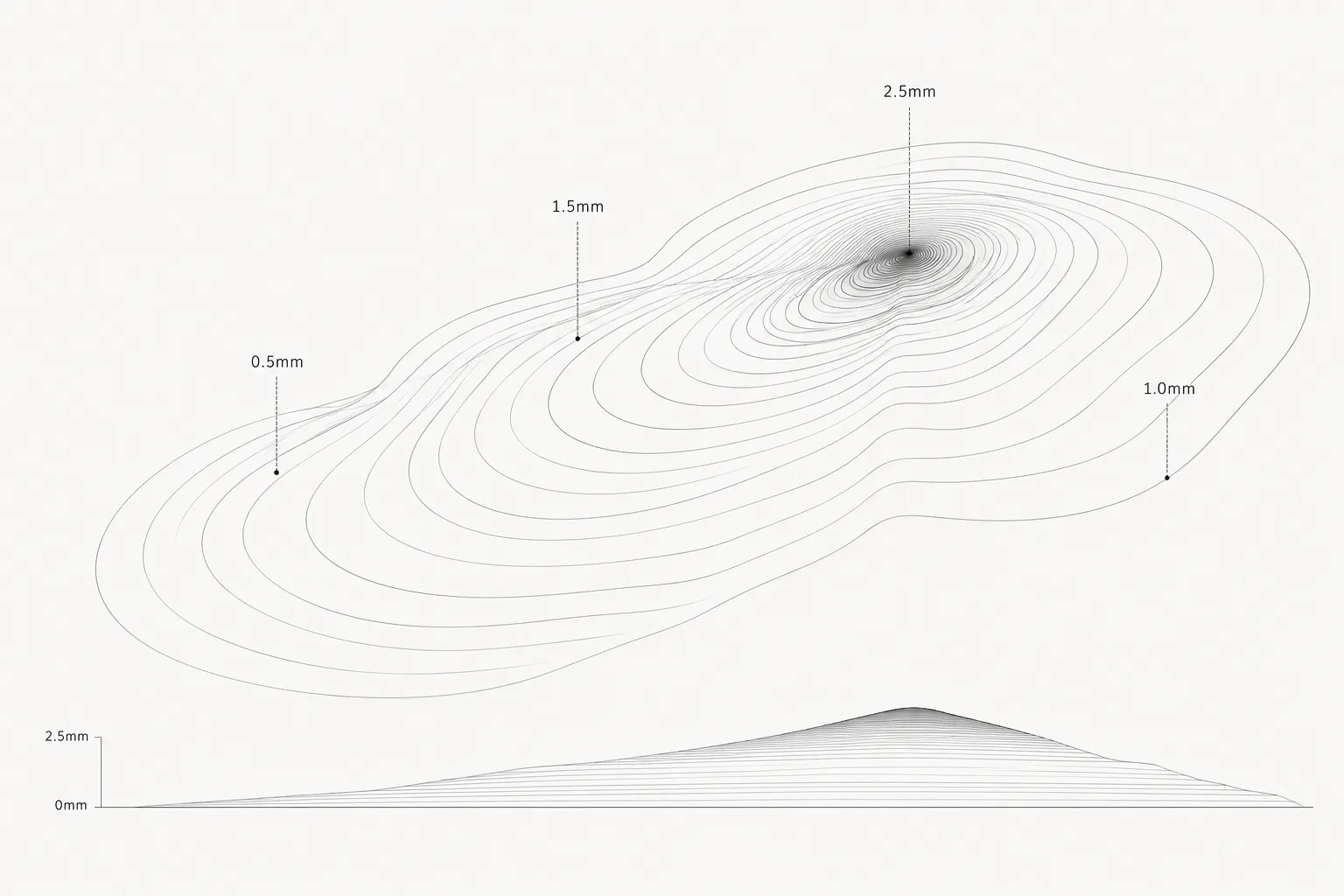
I have developed ESP as a process to translate the brushwork of digital painting into a physical surface. It works by generating the height data required for digital works to be reproduced as three-dimensional physical paintings using elevated printing technology.
The process begins with the completed digital painting. Information from the image is extracted to construct a virtual sculptural surface. From there, the work becomes entirely manual. I carve, sculpt and refine the surface by hand, shaping the height and character of every brushstroke while following the logic of the original painting.
The result is a bespoke, hand-sculpted height map, unique to each painting. Together with the original colour image, it is passed to an elevated printer, where successive layers of ink build the physical surface directly from the height map, bringing the painting into the physical world as a three-dimensional object.
The Height Map
A painting has never been only an image. It is an object, and its surface is part of how it speaks. The marks are a record of every decision, telling you how the picture came into being. Every stage of ESP exists to preserve those decisions. Nothing is added for effect. The surface is shaped only by the original brushwork, so the physical painting remains faithful to the one I created.
Why this
matters to me
Due to my health, I avoided certain materials and odours as they were triggering for me, which made oil painting inaccessible. I tried various other mediums and felt restricted by them. I had found artists who were demonstrating classical painting inside software; they studied the masters and translated their techniques to digital. I followed them and began making master studies of my own using a graphics tablet and drawing software.
Technology made my practice possible; without these digital tools, my work would not exist. But digital painting presented a new problem. I faced criticism from my peers for my choice of medium and a distrust of technology as a tool for making serious work. My work was often dismissed and defined by prejudice before being given the time to be considered for the stories and emotions it carried.
What I wanted was simple. I wanted my work to be encountered in the same way I have always encountered paintings.
I experimented with embellished prints, lightboxes, screenprints and even VR installations. Each introduced its own distraction. The attention was pulled towards the method rather than the work itself. I did not want the way a painting was presented to become something the viewer had to overcome before they could encounter it.
For the work to be met honestly, anything that interfered with that encounter had to go. But nothing that belonged to the work could be lost. The process, the decisions, the expression, all of that lives in the brushwork. That physical language matters. It is the connection between the painting and the hand that made it.
"I wanted those marks to exist in the world, not just on a screen."
Siris Hill